

Holy Trinity Of Mexican Cooking
Chili peppers are fundamental flavour-building ingredients in Mexican cuisine, and learning how to use them well can help you achieve spectacular results in the kitchen.
The Basics
What is a Chili Pepper?
Peppers are the fruit of a small number of highly variable species within the genus Capsicum. One species in particular, Capsicum annuum, provides the vast majority of pepper varieties both sweet and spicy. This article doesn't concern itself with fresh peppers (which are referred to by a number of names), but rather with the dried product made from them.
Dried peppers are generally referred to as chilies (note the comment on spelling below), though that term is used in some circles and situations in reference to fresh peppers as well (Thai bird's eye chilies are a common example).
All of the chilies in this guide are dried, shelf-stable pantry products.
Chili, Chile, or Chilli?
When dried, peppers are generally referred to as chilies, chiles, or chillies. Chile is commonly used in parts of the US, especially nearer to Mexico, and is identical to the Spanish spelling. It's also the same as the name of the country, which causes some confusion. Chili is commonly used in much of the rest of the English-speaking world, however this spelling causes some confusion and overlap with the spiced stew-like meal of the same name. Chilli seems to be something of an attempt to avert that confusion, but this spelling variant seems to be primarily limited to the UK, where it shares usage with chili.
I use chili throughout the site.
Powdered Chili vs. Chili Powder
This is where the word 'chili' gets really confusing.
Whole, dried chilies are frequently crushed to produced flakes, or ground into a fine powder. The powdered stuff is frequently called chili/chile/chilli powder. But there is also a very popular spice blend of the same name, featuring dried chilies, garlic, cumin, salt, oregano, etc. The chili powder spice blend is extremely popular in North America, especially as an ingredient in (wait for it...) chili.
This article does not deal with the spice blend, but does include a bit of information about powdered chilies. It can be tricky to avoid confusion about which one is being discussed at any given time. My best advice is to read a recipe carefully, and to choose your phrasing wisely.
Recipes
Feeling hungry? Not sure where to start with all of these chilies? Why not try out one of the Diversivore recipes that use the chilies featured in this article? They're all listed at the bottom of the page - scroll to see them, or jump there quickly by clicking here.
The "Holy Trinity"
Three particular dark, sweet, and relatively mild chilies hold a place of particular prominence in Mexican cooking, especially when it comes to their use in the various and famous mole sauces of the region. These dried peppers are often referred to as the "Holy Trinity" of Mexican chilies. They feature prominently in many Mexican dishes, including the aforementioned moles, as well as in soups and sauces. In fact, all three of them are sometimes used together in order to achieve a particularly rich and complex flavour.
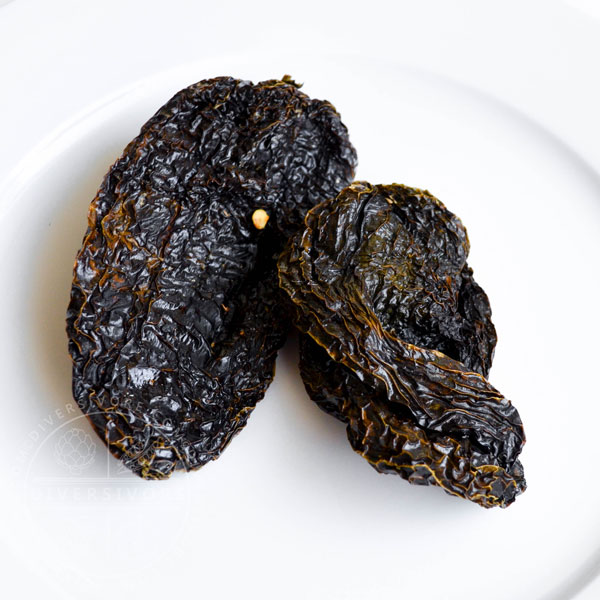
Ancho
Ancho chilies, are dried, ripe poblano peppers. Ancho chilies, like fresh poblanos, are generally low in heat, with a distinctively sweet and raisin-like fruity flavour.
Ancho chilies are extremely popular, and are often given a starring role in dishes. Like all of the Holy Trinity peppers, they feature in many moles and sauces, but they are also very popular across a broad range of Mexican, Tex-Mex, and fusion dishes. They also tend to be a little easier to find that some of the peppers on this list.
SHU: 1,000-2,000 (fairly mild)
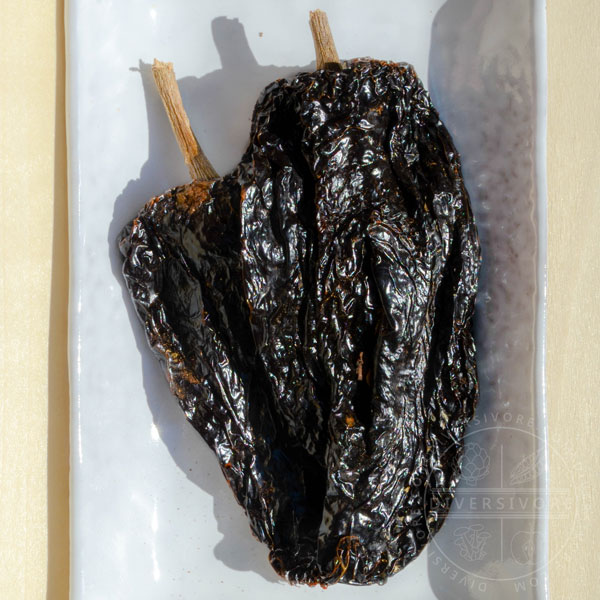
Mulato
Mulato chilies, are dried variety of poblano pepper, picked when very ripe. Mulato chilies are moderately hot, with a sweet, fruity, slightly smoky flavour. They're highly appreciated for the distinctive chocolate/cherry/licorice notes that they impart to a dish.
Mulato chilies are generally the hottest member of the Holy Trinity, though pasillas can sometimes approach the same level of spice. Mulato chilies are extremely popular in Mexico, but are not as well known outside of the country.
SHU: 2,500-3,000 (moderate)
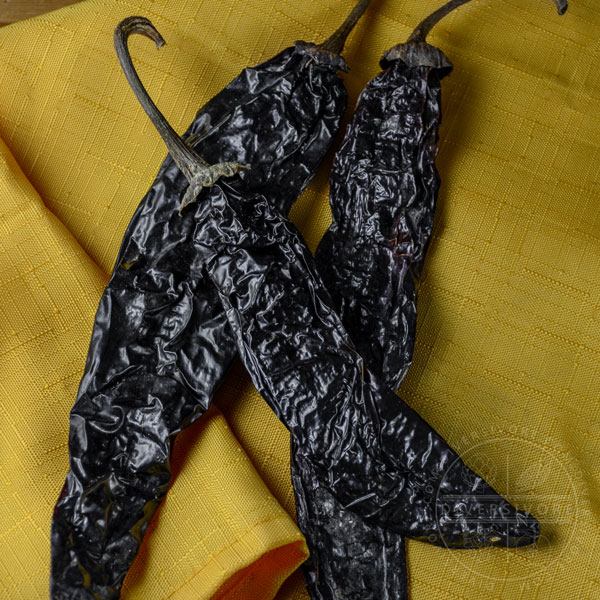
Pasilla
The Pasilla chili, (aka chile negro) is a dried, ripe, chilaca pepper. Pasillas are elongate, thin, and tapering, with wrinkled, nearly black skin. Their flavour is fairly similar to that of an ancho chili, with raisin and coffee notes. They also tend to be a little hotter than ancho chilies.
Pasilla chilies are the victims of frequent mis-labeling, and are often confused with anchos and (oddly) fresh poblanos. True pasilla peppers can be a little harder to find than some of the other peppers on this list. In my experience, if the packaging is labeled 'chile negro' however, they're less likely to be misidentified.
SHU: 1,000-4,000 (mild-to-moderate)
The All-Purpose Reds
For many of us, red chilies bring up thoughts of fiery heat, but many of the Mexican red chilies are much more important for contributing distinctive and relatively mild flavour. These chilies have certain flavour elements in common, but they vary quite a bit in character. Nonetheless, they are all important for their ability to contribute a sharp, acidic, somewhat earthy, and powerful complexion to a dish.
Many of these chilies are part of the mirasol chili group (mirasol means 'facing the sun,' named for the way the chilies grow pointing straight-up), but it's worth noting that some of the mirasol chili varieties that aren't included in this 'all-purpose' section are extremely hot.
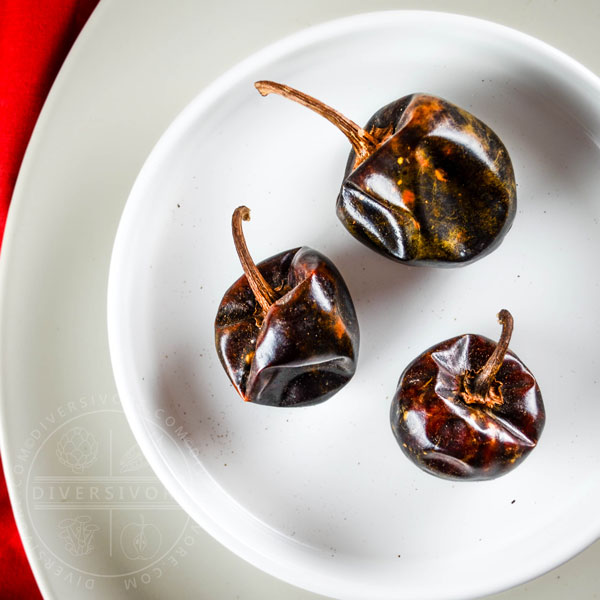
Cascabel
Cascabel chilies are dried bola (round) mirasol chili peppers. Cascabel means rattle in Spanish, a reference to the shape and the way the seeds rattle inside of the hollow pepper. Cascabels contribute a very fruity, slightly smoky flavour to dishes without contributing a great deal of heat. Their distinctive, likable, and easy-to-spot appearance makes them a popular and relatively easy to find pepper
Cascabels are mild-to-moderate in terms of spice, and can often be used by spice-averse cooks in place of hotter peppers.
SHU: 1,500-2,500 (mild/moderate)
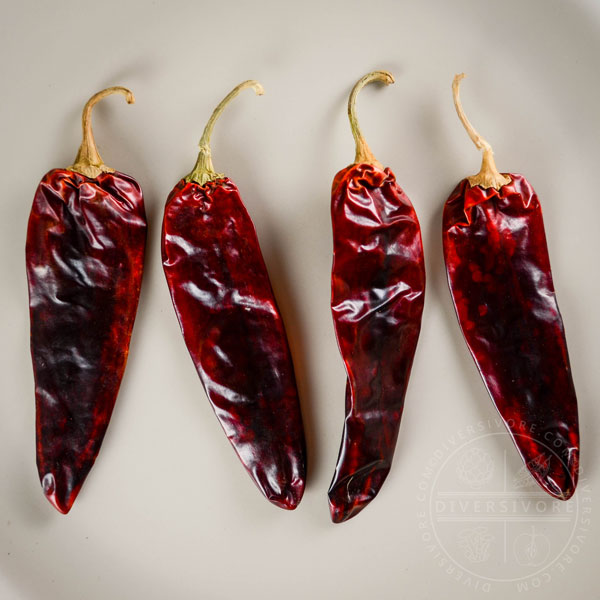
Guajillo
Guajillo chilies are relatively large, long, and flat dried mirasol chili peppers. Guajillos contribute a sharp, fruity, somewhat tangy flavour to dishes without contributing a great deal of heat. They're a fairly common and popular pepper in Mexican cooking, though they tend not to be as quite well-known/used outside of Mexico.
Guajillos are moderately spicy, and fairly comparable to a cascabel or chipotle pepper of the same size. They're my personal favourite chili in this category.
SHU: 2,500-5,000 (moderate)
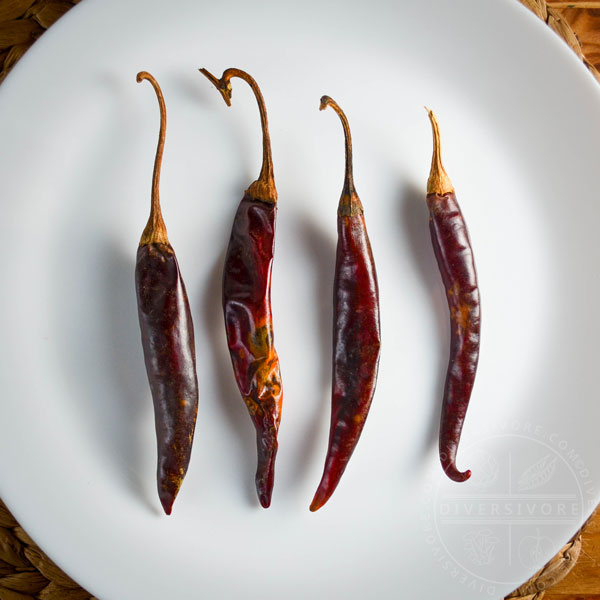
Puya
Puya chilies are relatively long, thin, dried mirasol chili peppers. Puyas are similar to guajillos in terms of flavour, but hotter. Puyas have a wonderful flavour, and are perhaps the best all-purpose red chili to use if you're a fan of hotter dishes.
Unlike guajillos, puya chilies tend to retain their puffy round cross-section when dried.
SHU: 5,000-8,000 (moderately high)
Smoked Chilies
Most chili peppers are simply dried, but a select handful are dried and smoked. These chilies pack a potent and very popular flavour punch, rich with spice, acidity, sweetness and (of course) smoke. The chipotles are the most common peppers in this group, but many other smoked peppers exist, often with highly regional followings.
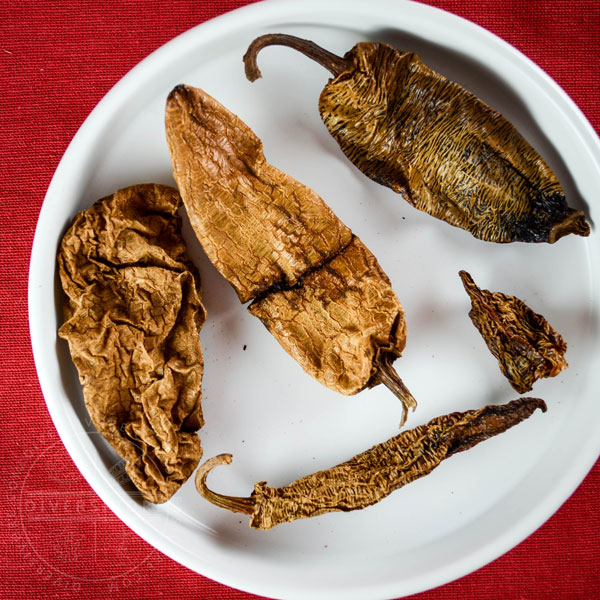
Chipotle Meco
Chipotle meco chilies (or chipotle peppers) are a specific chipotle variety, made from dried and heavily-smoked ripe jalapeño peppers. Chipotle mecos tend to be much smokier tasting than their cousin the morita pepper. The flavourful, smoky-sweet nature of chipotles make them one of the most popular and distinctive of all of the Mexican chilies.
Chipotles vary quite a bit in terms of heat, but are generally at least moderately spicy. Because of their popularity in Mexican and Tex-Mex cooking, they tend to be fairly easy to find.
SHU: 3,000-10,000 (moderately high)
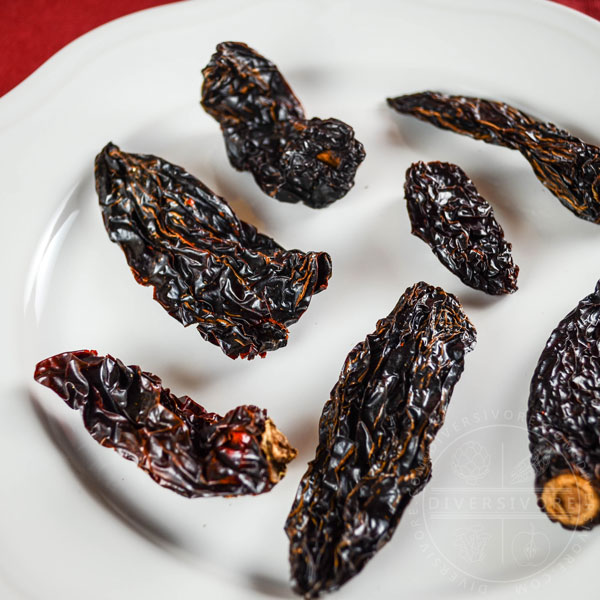
Morita Chipotles
Morita chipotle chilies (often simply called moritas) are specific chipotle variety, made from dried and gently-smoked ripe jalapeño peppers. Moritas tend to be much more fruitier tasting than their cousin the chipotle meco.
Morita peppers are often treated as a distinct pepper, separate from the more commonly used chipotle meco. They tend to work best in dishes that call for moderate smoke along with a bright fruity flavour. Availability is variable, but generally fairly good.
SHU: 3,000-10,000 (moderately high)
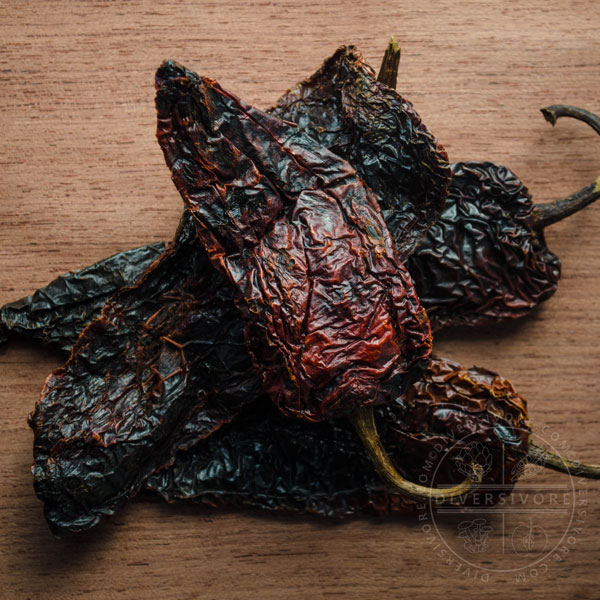
Pasilla de Oaxaca
As the name suggests, this is a type of pasilla chili. It differs from the standard pasilla however, having been smoked like its more common cousins the chipotles.
Pasilla de Oaxaca chilies are not particularly common outside of Mexico, though that is starting to shift to some degree. They're milder than their jalapeño-based cousins, but fruitier and even smokier.
These can sometimes be found at well-stocked Mexican and Latin grocery stores, but are more commonly obtained from online providers.
SHU: 1,000-4,000 (mild-to-moderate)
Bring the Heat
These are not one-dimensional fire-factories - there's still a lot of flavour to be found in these chilies. But at the end of the day, these are the peppers that are going to contribute an appreciable degree of spice to your dishes.
If you're new to cooking with chilies, or you're developing your tolerance to spice, you're going to want to start with small quantities and work your way up.
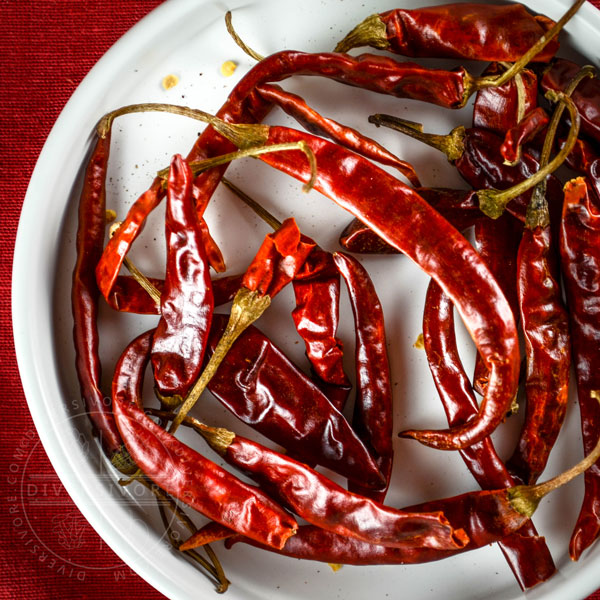
Árbol Chilies
Árbol chilies (often called by their Spanish name, chiles de árbol) are perhaps the most popular of the hot chilies in Mexican cooking. They have a clean, sharp flavour with a healthy but not overwhelming level of heat. Most notably, they have a brilliant, bright red colour that makes sauces and salsa look absolutely gorgeous.
Because they're arguably the most popular of the Mexican hot chilies, they tend to be fairly easy to find. They're also quite easy to work with, and can be adjusted in terms of heat by leaving or removing the loose seeds inside the pepper.
SHU: 15,000-30,000 (high)
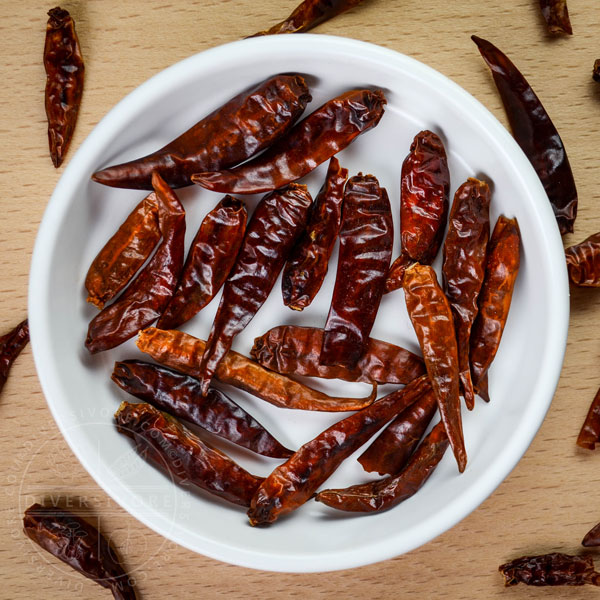
Chiles Japones
Chiles japones, often sold as Chinese or Tianjin Chilies (the Pantry Page deals with some of the confusion surrounding the name), are a small, spicy red chili with a clean taste and a distinctive bite. Because they're popular in both Central American and East Asian cooking, they tend to be fairly easy to find.
These peppers pack a considerable punch, but their small size makes it easy to adjust the number you use. Seeded and membranes removed, they provide a healthy but manageable spice level that's much appreciated in Asian cooking.
SHU: 40,000-75,000 (high)
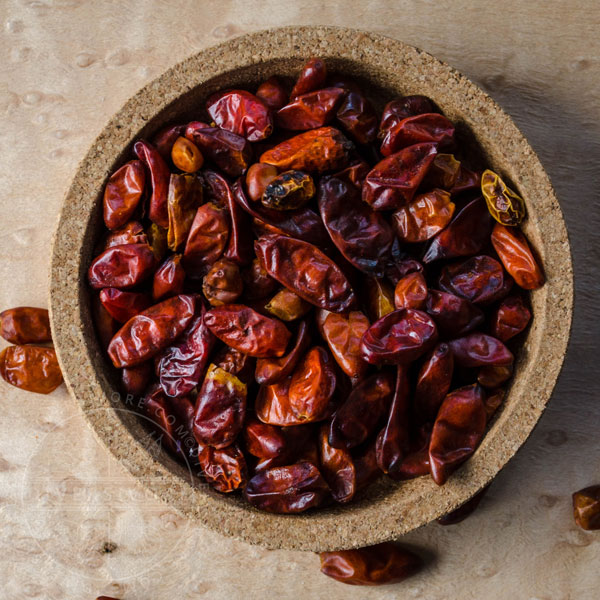
Pequin Chilies
As they so often say, big things truly come in small packages. These minute little chilies pack a fiery punch, coupled with a bold, crisp, fruity flavour. Though they can be tougher to find in some markets, they are a perennial favourite for making salsas and sauces.
Much like chiles japones, their small size makes it easy to adjust the number you want to use and the amount of spice you want to deliver. They're also unobtrusive enough to be used as heat-boosters in sauces and salsas based around other peppers.
Pequin chilies are often confused with another very small and very closely related pepper, the chiltepin. Pequins are usually oval, while chiltepins are generally quite round. The distinction is an important one however, as chiltepins are often even spicier.
SHU: 40,000-60,000 (high)
So what do you think? Did I miss something? Are there other varieties or subject areas you'd like to see covered?
Leave a comment below if you have any questions or ideas. This is designed to be a living, breathing resource - any time new or better information can be presented to you, it will be added here.
Don't want to miss any changes, news, recipes or features? Make sure to subscribe to Diversivore's updates. You'll only receive emails about the site, and we'll never share your information with anyone. EVER.
Be sure to check out the individual pages for more information on finding, choosing, and using all of these peppers, and don't forget to check out some of the other Pantry Pages, Ingredient Pages, and articles in the Education section while you're here. Oh, and let's not forget RECIPES, including all of the Mexican recipes right below here.
Recipes Featuring Mexican Chilies
Chicken Tinga
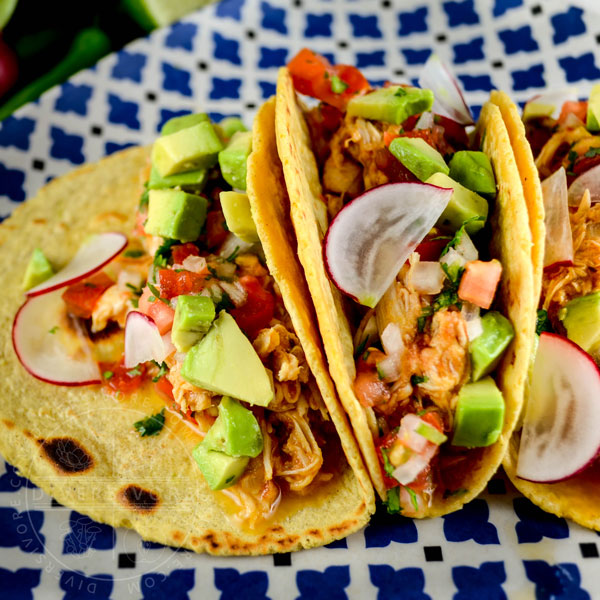
A great, weeknight-friendly meal with a scratch tomato sauce that uses chipotles in adobo sauce (easy to find in stores and a great intro to using Mexican chilies!)
Instant Pot Brisket
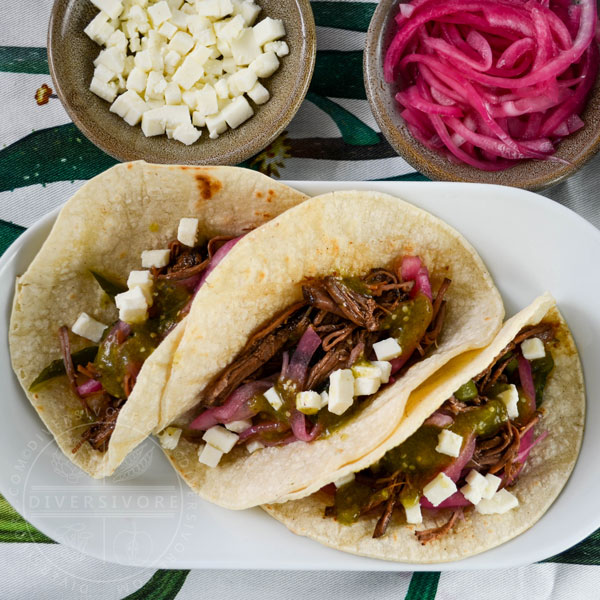
Made with two kinds of chilies (pasilla and morita chipotles), the only thing better than this delicious homemade adobo is how quickly the whole meal comes together with an Instant Pot (or other pressure cooker).
Pambazos con Huevos
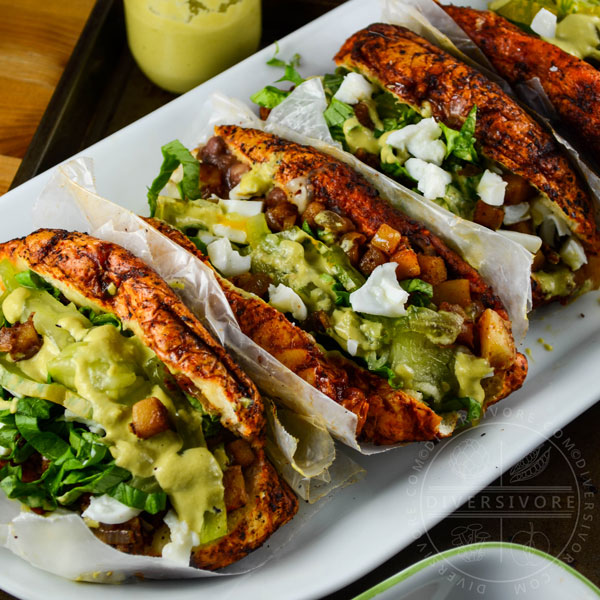
Vegetarians rejoice! The bread on these sandwiches is soaked in a guajillo sauce before pan-frying, while the filling is made with eggs, potatoes, and a creamy salsa verde.
Red Pipian Seafood Soup
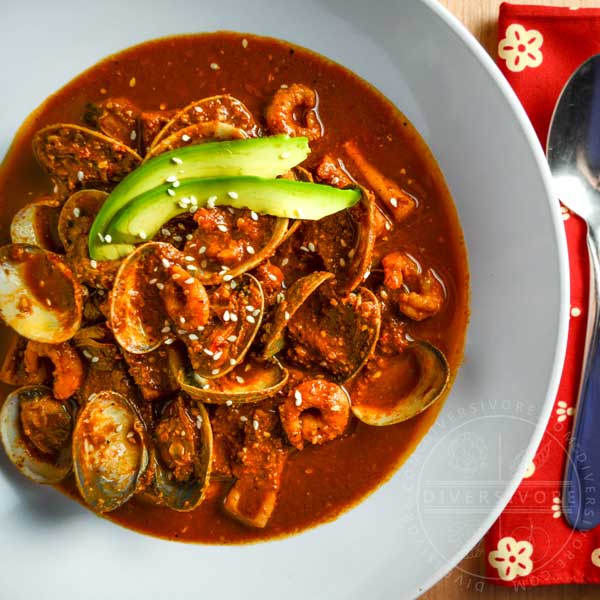
A soup based on one of the easier mole recipes, this richly spiced dish uses ancho and guajillo chilies.
Mezcalita del Ocaso
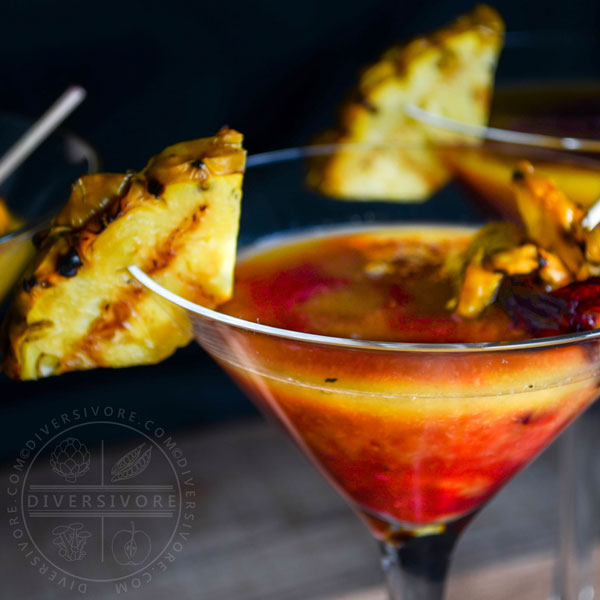
That's right, there's even a cocktail in the list! There's a lot going on in this beautiful mezcal-based drink, including grilled pineapple, hybiscus agua fresca, and (of course) a little kick from some cascabel chilies.
Oyster Mushroom Soup
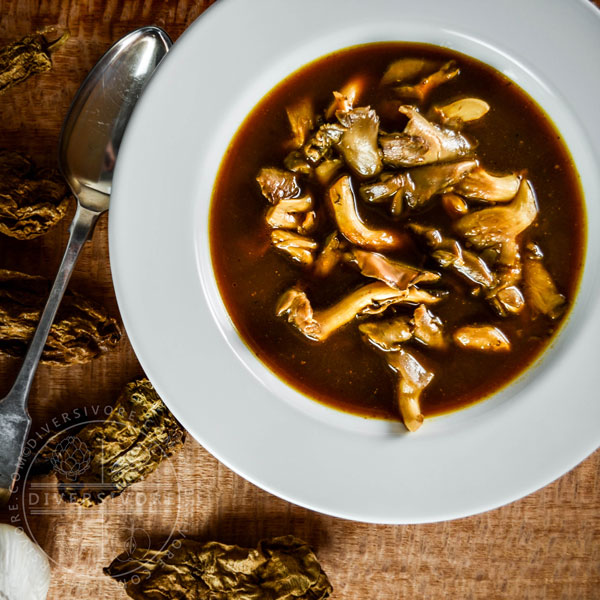
It can be hard to find good vegan Mexican recipes, but the smoky chipotle meco chilies used here add a ton of dimension to a simple, healthy soup with roots in Veracruz.
Shakshouka Rancheros
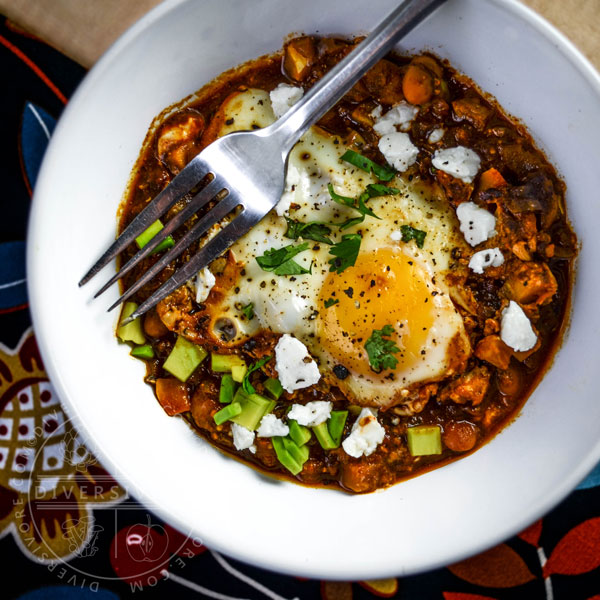
A delicious bit of fusion, combining the Middle Eastern classic shakshouka with a bunch of fantastic Mexican ingredients, including ancho chilies.
Holy Trinity Of Mexican Cooking
Source: https://www.diversivore.com/guide-to-mexican-chili-peppers/
Posted by: mazzeojakfam1972.blogspot.com
0 Response to "Holy Trinity Of Mexican Cooking"
Post a Comment